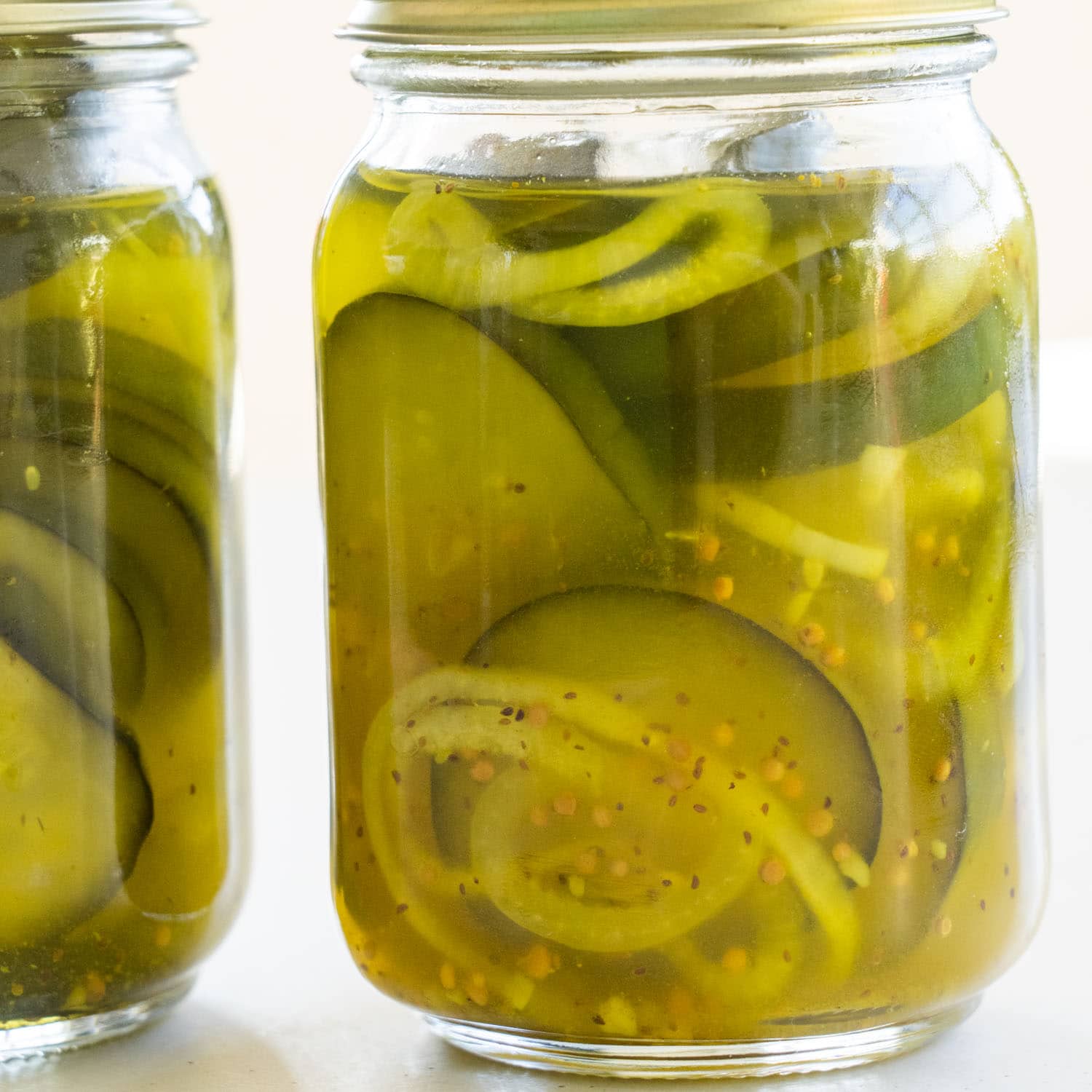
Are you craving the satisfying crunch and vibrant tang of homemade pickles but dread the lengthy brining and canning process? Imagine enjoying a jar of crisp, sweet-and-sour bread and butter pickles ready in a fraction of the time. The secret lies in an unconventional, yet incredibly effective, method: making microwave pickles. Forget waiting days or weeks; with your microwave, you can whip up a small batch of these flavorful gems in mere minutes, perfect for satisfying an impromptu craving or adding a fresh zing to any meal.
This comprehensive guide will walk you through creating delicious, quick homemade pickles fast, ready in under 10 minutes. We'll focus on the beloved bread and butter style, known for its delightful balance of sweetness and acidity, complemented by aromatic spices. Get ready to transform humble cucumbers into a culinary delight, all thanks to the power of your microwave!
The Magic of Microwave Pickles: Why Go Unconventional?
For generations, making pickles was synonymous with an all-day affair, involving sterilizing jars, preparing elaborate brines, and the careful process of water bath canning. While traditional methods yield wonderful results and shelf-stable preserves, they simply aren't feasible for everyone, especially those with busy schedules or limited kitchen space. This is where microwave pickles shine as a true culinary game-changer.
The beauty of this method lies in its unparalleled speed and simplicity. Instead of a prolonged brining period, the microwave rapidly heats the cucumbers and pickling liquid, quickly infusing the flavors and tenderizing the vegetables to that perfect "crisp-tender" consistency. This means you can go from raw ingredients to a jar of ready-to-chill pickles in less than 10 minutes of active cooking time. There's no need for specialized canning equipment, making it incredibly accessible for novice cooks and seasoned foodies alike. It’s perfect for small batches, ensuring you always have fresh, homemade pickles on hand without committing to dozens of jars. It’s a convenient, delicious, and surprisingly easy way to get your pickle fix without the fuss.
Mastering the Quick Microwave Bread and Butter Pickles Recipe
This recipe is designed for maximum flavor with minimal effort. It delivers that classic sweet and tangy bread and butter profile that pairs perfectly with sandwiches, burgers, or as a standalone snack. Here’s how you make it:
Essential Ingredients for Your Microwave Pickles
You'll be amazed at how a few simple pantry staples can create such a complex and satisfying flavor:
- 1 medium cucumber, thinly sliced: Opt for pickling cucumbers like Kirby or Persian cucumbers for the best texture. Thin, even slices are key for quick and consistent pickling.
- 2 small onions, thinly sliced: Sweet onions or red onions work well, adding a delicate sweetness and mild bite that complements the cucumbers.
- ¾ cup granulated sugar: The "bread and butter" signature sweetness. Adjust slightly to your preference.
- ½ cup distilled white vinegar: The cornerstone of any pickle brine, providing the essential acidity for preservation and tang.
- 1 teaspoon salt: Balances the flavors and helps draw moisture from the vegetables, contributing to crispness.
- ½ teaspoon celery seed: Adds a subtle, earthy, and aromatic note that's characteristic of bread and butter pickles.
- ½ teaspoon mustard seed: Provides a mild, pungent warmth and a classic pickle flavor. You can use yellow or brown mustard seeds.
- Optional: 1/4 teaspoon turmeric: For that vibrant yellow color and an extra hint of earthy spice.
- Optional: 2-3 cloves garlic, thinly sliced: For an extra layer of pungent flavor.
Step-by-Step Guide to Irresistible Microwave Pickles
Making these microwave pickles couldn't be simpler. Follow these easy steps:
- Combine Ingredients: In a large, microwave-safe bowl (one that can comfortably hold all your ingredients with some headspace), combine the thinly sliced cucumbers, onions, sugar, distilled white vinegar, salt, celery seed, mustard seed, and any optional spices like turmeric or garlic. Stir everything thoroughly to ensure the sugar and salt begin to dissolve and coat the vegetables evenly.
- First Microwave Burst: Place the uncovered bowl into your microwave. Cook on high power for 3 minutes. The liquid will start to heat, and the cucumbers will begin to soften slightly. Carefully remove the bowl and give the mixture a good stir to redistribute the heat and flavors.
- Second Microwave Burst & Texture Check: Return the bowl to the microwave and continue cooking on high for another 2-3 minutes, or until the mixture is bubbly, and the cucumbers and onions are crisp-tender. This means they should still have a slight bite but be noticeably softened and translucent. The exact time may vary based on your microwave's wattage and the thickness of your vegetable slices.
- Cool and Chill: Once cooked, remove the bowl from the microwave. Allow the pickles to cool completely at room temperature. Once cooled, cover the bowl (or transfer the pickles and brine to an airtight container like a clean mason jar) and refrigerate for at least 4 hours. Chilling is crucial as it allows the flavors to meld beautifully and enhances the crispness of the pickles.
- Serve: When ready to enjoy, serve your homemade microwave pickles with a slotted spoon to drain any excess brine.
Nutritional Snapshot (Per Serving)
These quick pickles are not only delicious but also relatively light! While home recipes can vary, a general estimate for a single serving (approximately 1 each) is:
- Calories: 115
- Fat: 0g (0 saturated fat)
- Cholesterol: 0mg
- Sodium: 395mg
- Carbohydrate: 29g (27g sugars, 1g fiber)
- Protein: 1g
Note: These values are approximate and depend on exact ingredient quantities.
Beyond the Basic: Tips, Tricks, and Flavor Variations for Your Microwave Pickles
Once you’ve mastered the basic bread and butter microwave pickles, you’ll discover a world of possibilities for customization. Here are some insights and ideas to elevate your pickle game:
Choosing the Right Cucumbers
The type of cucumber significantly impacts the final texture of your pickles. For the best crisp-tender results, opt for pickling cucumbers like Kirby, Persian, or gherkins. These varieties have thinner skins and fewer seeds, making them ideal for quick pickling. Avoid large, watery slicing cucumbers, as they tend to become soft and less desirable when pickled. Consistent, thin slices (around 1/8 to 1/4 inch) are also vital for even cooking and optimal flavor absorption.
Storage and Shelf Life
Unlike traditionally canned pickles, microwave pickles are not shelf-stable. They must be stored in the refrigerator in an airtight container, preferably a glass mason jar. Properly stored, they will remain fresh and delicious for about 2-3 weeks. Always ensure the pickles are submerged in the brine for optimal flavor and preservation. If you notice any signs of spoilage (off-smell, mold, extreme sliminess), it's best to discard them.
Creative Serving Suggestions
These sweet and tangy pickles are incredibly versatile! Here are some ideas to incorporate them into your meals:
- Classic Sandwiches & Burgers: The quintessential pairing! Layer them on your favorite hamburger, pulled pork sandwich, or deli sub for an irresistible tangy crunch.
- Salads: Chop them up and add to potato salad, chicken salad, or tuna salad for a burst of flavor. They can also brighten up a simple green salad.
- Snack Time: Enjoy them straight from the jar as a refreshing, low-calorie snack.
- Charcuterie Boards: Their bright flavor and appealing texture make them a fantastic addition to cheese and meat boards.
- Relish: Finely dice them to create a quick homemade relish for hot dogs or brats.
Unleashing Your Inner Pickle Artist: Flavor Boosters
The beauty of microwave pickles is how easily you can experiment with different flavor profiles. While the bread and butter recipe is a classic, you're only limited by your imagination. Consider these ideas to customize your pickles: easy spicy and sweet microwave variations:
- Spicy Kick: Add a pinch of red pepper flakes, a few black peppercorns, or even a sliced jalapeño or Thai red pepper to the brine for a fiery twist.
- Asian-Inspired: Swap white vinegar for rice vinegar and add fresh ginger slices, a dash of soy sauce, and a sprinkle of sesame seeds for an umami-rich pickle.
- Herbal Infusion: Introduce fresh dill sprigs, bay leaves, or a few sprigs of thyme to the mix for different aromatic dimensions.
- Vinegar Variations: While white vinegar is standard, experiment with apple cider vinegar for a fruitier note or white wine vinegar for a milder, more delicate tang.
- Garlic Lover's Delight: Increase the amount of sliced garlic cloves or even add a pinch of garlic powder for an intense garlicky flavor.
Frequently Asked Questions About Microwave Pickles
Can I use other vegetables to make microwave pickles?
Absolutely! The microwave pickling method works wonderfully for a variety of vegetables. Try it with thinly sliced carrots, zucchini, bell peppers, radishes, or even green beans. Adjust the cooking time slightly based on the vegetable's density; harder vegetables may need an extra minute or two.
Do I need to peel the cucumbers?
Peeling is optional. For pickling cucumbers with thin, tender skins, leaving the skin on adds extra texture and nutrients. If you're using a thicker-skinned variety, or simply prefer a smoother pickle, feel free to peel them before slicing.
Why are my microwave pickles not crunchy enough?
Several factors can affect pickle crunchiness. Overcooking in the microwave can make them too soft, so aim for "crisp-tender." Using the wrong type of cucumber (like large, watery slicing cucumbers) can also result in less crisp pickles. Additionally, ensuring they are thoroughly chilled in the refrigerator for at least 4 hours (or overnight) helps firm them up significantly. Some people also swear by adding a grape leaf or a pinch of pickling lime (calcium chloride) to the brine for extra crispness, though this is usually more relevant for traditional canning.
Can I make a larger batch?
Yes, you can certainly double or even triple the recipe. However, be mindful of your microwave-safe bowl size to prevent overflow. You may also need to adjust the microwave cooking time, potentially adding an extra minute or two, or cooking in two separate batches to ensure even heating and proper doneness. It’s always better to do two smaller batches if you're unsure, rather than overloading your microwave.
Conclusion
The journey to homemade pickles doesn't have to be a daunting one. With the ingenious method of making microwave pickles, you can enjoy fresh, flavorful, and wonderfully crunchy bread and butter pickles anytime the craving strikes. This quick and easy recipe transforms simple ingredients into a delightful condiment that will elevate your meals and impress your taste buds. So, grab your cucumbers, fire up your microwave, and prepare to discover the unparalleled satisfaction of instant homemade pickle perfection!
